
Sickle Cell Anemia: Complete Guide to Causes, Symptoms, Treatment & Prevention Every family has a story. For millions around the world, that story includes the word sickle cell anemia. It’s a condition passed down through generations, hiding in DNA, waiting to show itself. But what does it actually mean to live with sickle cell disease? How does a tiny change in one gene lead to pain, fatigue, and life‑threatening complications? In this 2025 guide, we’ll walk through everything from the very first genetic glitch to the latest cures in plain, human language. No jargon, no rushed explanations. Just what you need to know.
What Is Sickle Cell Anemia? (Quick Definition)
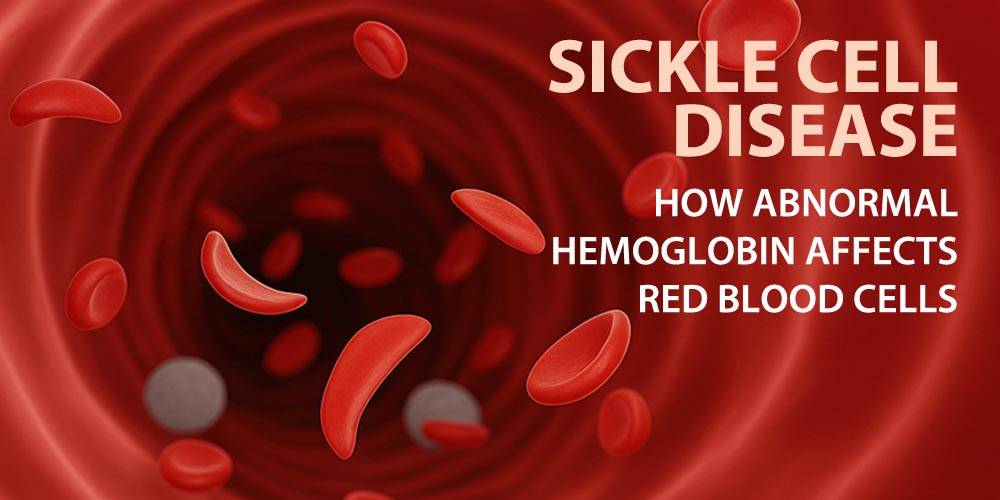
Let’s start at the beginning. What is sickle cell anemia? Simply put, it is a genetic blood disorder where your red blood cells normally soft and round like a donut become hard, sticky, and shaped like a crescent moon or a farming tool called a sickle. This sickle meaning in medical terms refers to that characteristic curved shape.
A healthy red blood cell lives for about 120 days and glides easily through your smallest blood vessels. But a sickled cell dies in just 10 to 20 days. And because it’s stiff, it gets stuck. That clogging causes pain, organ damage, and severe anemia (low red blood cell count). The official sickle cell anemia definition from the World Health Organization calls it “one of the most common severe monogenic diseases worldwide.” In 2024, it was estimated that over 8 million people live with the condition globally, with about 400,000 babies born with it each year most in sub‑Saharan Africa, India, and the Middle East.
What Causes Sickle Cell Anemia? (Genetic Mutation Explained)
Now for the big question what causes sickle cell anemia? The answer lives inside your DNA specifically on chromosome 11. A single “typo” in the gene that makes hemoglobin (the protein that carries oxygen) changes everything.
Sickle cell anemia is caused by a mutation in the HBB gene. Instead of producing normal hemoglobin A, the body makes hemoglobin S (the S stands for sickle). When oxygen levels drop during exercise, infection, or sleep these hemoglobin S molecules stick together like wet spaghetti, pulling the red cell into that infamous crescent shape.
Sickle cell anemia is caused by inheriting two copies of the mutated gene one from each parent. If you get only one copy, you don’t have the disease; you have sickle cell trait (more on that later). How sickle cell anemia is caused is therefore purely genetic: it’s not contagious, and nothing you do as a parent “gives” it to your child except passing on those two gene copies.
The Role of Hemoglobin S (HbS)
Inside every red blood cell, hemoglobin is like a cargo ship for oxygen. Normal hemoglobin (HbA) carries oxygen easily and releases it where needed. But hemoglobin S (HbS) is flawed. Under low oxygen, HbS molecules link together into long, rigid chains. This pulls the cell membrane into a sickle shape. The result? Cells that can’t bend, can’t carry oxygen well, and die young. How sickle cell anemia is caused at a molecular level is this: one wrong amino acid (glutamic acid replaced by valine) makes all the difference.
Autosomal Recessive Inheritance Pattern
Sickle cell anemia inheritance follows a predictable pattern called autosomal recessive. That means the gene isn’t on the sex chromosomes (so boys and girls are equally affected) and you need two faulty copies to have the disease. Here’s how it works:
|
Parents’ Genotype |
Chance child has SCD |
Chance child is a carrier |
Chance child is unaffected |
|
Both carriers (AS + AS) |
25% (SS) |
50% (AS) |
25% (AA) |
|
One carrier, one unaffected (AS + AA) |
0% |
50% (AS) |
50% (AA) |
|
One parent has SCD, one carrier (SS + AS) |
50% (SS) |
50% (AS) |
0% |
This is why sickle cell anemia inheritance often seems to “skip” generations carriers usually have no symptoms, so a family may not know the gene is there until a child is born with the disease.
Common Symptoms of Sickle Cell Anemia (By Body Area)
No two people experience sickle cell anemia symptoms exactly the same. Some children have their first crisis before their first birthday; others go years without major pain. But there are common patterns. The effects of sickle cell anemia touch nearly every part of the body. Let’s go area by area.
Pain Crises (Vaso-Occlusive Episodes) – target: sickle cell pain crisis treatment, sickle cell crisis
The hallmark of SCD is the sickle cell crisis sudden, severe pain caused by sickled cells blocking blood flow to bones, muscles, or organs. These crises can last hours to weeks. Patients describe the pain as “a hammer inside my bones” or “knives twisting in my back.” Sickle cell pain crisis treatment usually begins at home with hydration, warmth, and over‑the‑counter pain relievers, but severe crises require hospitalisation with strong opioids and IV fluids. A study from 2023 found that patients with frequent crises (more than three per year) have a 30% higher risk of early death, which is why preventing them is so critical.
Anemia & Fatigue
Because sickled red blood cells die so quickly (10–20 days instead of 120 days), the bone marrow can’t keep up with production. This leads to chronic anemia low red blood cell count. Symptoms include extreme tiredness, pale skin (especially inside the lower eyelids), dizziness, and shortness of breath after mild activity. Children with SCD often struggle to keep up in PE class not because they’re lazy, but because their blood simply carries less oxygen.
Swelling of Hands & Feet (Dactylitis)
In infants as young as six months, the first sign of SCD is often painful swelling of the fingers and toes. This is called dactylitis (or “hand‑foot syndrome”). The small bones in the hands and feet have narrow blood vessels, making them prime spots for sickled cells to cause blockages. A baby may cry incessantly, refuse to hold a bottle, or crawl less. Dactylitis before age one is a strong predictor of more severe disease later in life.
H3: Symptoms in Women – target: sickle cell anemia symptoms in women
Sickle cell anemia symptoms in women come with extra challenges. Hormonal changes during menstruation can trigger more frequent pain crises - some women experience a crisis like clockwork right before their period. Pregnancy is also riskier (we’ll cover that in complications). Additionally, women with SCD are more likely to have iron overload from repeated blood transfusions, which can affect the heart and liver. A 2022 study noted that female patients report higher average pain scores than male patients, though the reasons aren’t fully understood.
Leg Ulcers & Pain – target: sickle cell leg pain treatment
One of the most visible and frustrating symptoms is leg ulcers painful, slow‑healing sores, usually just above the ankle. They happen because sickled cells damage tiny blood vessels in the skin, and poor circulation prevents healing. Sickle cell leg pain treatment involves special wound dressings, keeping the leg elevated, antibiotics if infected, and sometimes skin grafts. Ulcers can last for months or years, affecting work, school, and mental health.
Effective Treatments for Sickle Cell Anemia
If you or a loved one has SCD, you’ve probably asked: what can actually help? The good news is that treatment for sickle cell has exploded in the last decade. No longer are we limited to just painkillers and blood transfusions. Today, sickle cell anemia symptoms and treatment go hand in hand – treat the symptoms, but also treat the root cause. And yes, sickle cell anemia causes symptoms treatment as a combined search query that’s exactly what we cover here. The field of management of sickle cell anemia now includes daily pills, regular infusions, and even cures.
H3: Medications (Hydroxyurea, Pain Relievers)
For decades, hydroxyurea has been the cornerstone of SCD management. It’s not a chemotherapy drug at SCD doses; it works by boosting your body’s production of foetal hemoglobin (the kind you had before birth). Foetal hemoglobin prevents sickling. Hydroxyurea reduces pain crises by about 50%, lowers hospital admissions, and cuts the risk of acute chest syndrome. Other newer drugs include L‑glutamine (approved in 2017) and voxelotor (raises hemoglobin levels). For breakthrough pain, doctors use NSAIDs like ibuprofen or, for severe crises, opioids like morphine – always under careful supervision.
Blood Transfusions
Regular blood transfusions serve two purposes: they dilute the sickled cells with healthy red cells, and they increase the total hemoglobin level. For a child who has had a stroke, monthly transfusions can cut the risk of a second stroke by over 90%. For pregnant women with severe SCD, transfusions improve outcomes for both mother and baby. The downside? Repeated transfusions can lead to iron overload, which damages the liver and heart. That’s why patients on chronic transfusion programs also take iron chelation medications (like deferasirox) to remove the extra iron.
Bone Marrow Transplant (The Only Cure) – target: is sickle cell cured
So is sickle cell cured possible? Yes – through a bone marrow transplant (also called stem cell transplant). Here’s how it works: doctors use chemotherapy to wipe out the patient’s own faulty bone marrow, then infuse healthy stem cells from a matched donor (usually a brother or sister). The new stem cells produce normal red blood cells. For children with a fully matched sibling donor, the cure rate exceeds 85%. The catch? The procedure carries risks, including infertility and even death (about 5–10% for mismatched donors). But with newer “reduced intensity” conditioning, outcomes are improving. And there’s now gene therapy (Casgevy, approved in 2023), where the patient’s own stem cells are edited in a lab to fix the mutation, then given back a functional cure without a donor.
Pain Crisis Management Protocol – target: pain management in sickle cell crisis
Hospitals have special pain management in sickle cell crisis protocols because SCD pain is unlike any other. Standard pain scales often underestimate it. A good protocol includes: (1) triage within 15 minutes of arrival, (2) IV fluids to improve blood flow, (3) oxygen if saturations are low, (4) patient‑controlled analgesia (PCA) for rapid relief, and (5) non‑drug measures like warm blankets and distraction. A review of 25 US hospitals found that implementing a standardised crisis protocol reduced emergency department wait times by 40 minutes on average and cut hospital readmission rates by nearly 30%.
Long-Term Complications & Organ Damage
Living with sickle cell anemia complications for years takes a toll. Even with good care, the effect of sickle cell anemia on organs can be silent until serious damage is done. Regular screening is essential. Let’s look at the most common sickle cell anemia complications by organ system.
Stroke Risk in Children
Stroke is one of the scariest complications of sickle cell anemia in children. Without screening, about 11% of children with SCD will have a stroke by age 20. Sickled cells block arteries in the brain, causing either an ischemic stroke (blockage) or, less often, a haemorrhagic stroke (bleeding). The good news is that a simple ultrasound test called transcranial Doppler (TCD) can measure blood flow speed in the brain. Children with high speeds are started on chronic transfusions, which lower stroke risk by 90%. Many hospitals now screen annually starting at age two.
Kidney & Liver Damage
The kidneys filter blood constantly, and they have very narrow blood vessels , a bad combination with sickled cells. Over time, sickle cell anemia complications include chronic kidney disease, which affects about 30% of adults with SCD by age 40. You might notice needing to urinate frequently at night (because the kidneys can’t concentrate urine). Eventually, some patients require dialysis or transplant. The liver also suffers from repeated transfusions (iron overload) and from sickling inside the liver’s blood vessels, leading to hepatic sequestration sudden liver enlargement and pain.
Pregnancy Complications & how to prevent sickle cell in pregnancy
Pregnancy adds major risks for women with SCD. How to prevent sickle cell in pregnancy? You can’t prevent the disease itself during pregnancy (it’s genetic), but you can prevent complications. Without special care, maternal death is more than 10 times higher than in women without SCD. Risks include severe pain crises, pre‑eclampsia (dangerously high blood pressure), and blood clots. For the baby, there’s a higher chance of low birth weight, premature delivery, and stillbirth. Prevention involves: (1) preconception counselling, (2) switching from hydroxyurea (which can harm the fetus) to safer alternatives, (3) frequent ultrasounds, and (4) prophylactic transfusions for severe cases. A team including a haematologist and high‑risk obstetrician is non‑negotiable.
H3: Vision Loss & Retinopathy
The eyes have delicate blood vessels. Proliferative sickle retinopathy occurs when sickled cells block retinal vessels, causing new, fragile blood vessels to grow. These new vessels bleed easily, leading to vision loss or even retinal detachment. Thankfully, laser treatment (panretinal photocoagulation) can stop the bad vessel growth. All people with SCD should have a dilated eye exam every year starting by age 10. Sudden floaters or flashes of light? That’s an emergency.
Prevention of Sickle Cell Anemia (Before & After Birth)
Can you stop sickle cell anemia from happening in the first place? Yes – through prevention of sickle cell anemia strategies before conception, during pregnancy, and after birth. Even for those already living with SCD, sickle cell prevention of crises is a daily goal.
Genetic Counseling for Carriers
If you know you carry the sickle cell trait (or if you’re in an at‑risk ethnic group), genetic counselling for carriers can help you make informed family planning decisions. A counsellor explains the odds (25% chance of having a child with SCD if both parents are carriers), discusses prenatal testing options, and supports your choices – whether that’s using donor eggs/sperm, adopting, or proceeding with a pregnancy while preparing for a child with SCD. Many countries in the Middle East and Europe have national premarital screening programs that have reduced new SCD births by up to 70%.
Prenatal Testing & Newborn Screening
For parents who are both carriers, prenatal testing (chorionic villus sampling at 10‑12 weeks, or amniocentesis at 15‑20 weeks) can diagnose SCD in the womb. Some families use this information to prepare early interventions; others use it for pregnancy termination decisions – a deeply personal choice. After birth, all 50 US states and many other countries now perform newborn screening for SCD using a few drops of blood from a heel prick. Early diagnosis (before symptoms start) allows babies to start penicillin prophylaxis by two months of age, which reduces the risk of severe pneumococcal sepsis by 84%.
Lifestyle Tips to Prevent Crises
Even with the gene, you can reduce crisis frequency. How to avoid sickle cell: well, you can’t avoid it if you’re born with it, but you can avoid triggers. Stay hydrated (dehydration sickles cells faster). Avoid extreme temperatures frostbite and heatstroke both trigger crises. Prevent infections: get all recommended vaccines (flu, pneumonia, meningitis). Use supplemental oxygen during air travel if you have severe disease. And recognise early warning signs increased fatigue, a low‑grade fever, or mild bone pain, so you can rest and hydrate before a full crisis erupts.
Sickle Cell Trait vs. Sickle Cell Disease – What’s the Difference?
This confusion is common. Sickle cell traits vs disease: what’s the real difference? Let’s clear it up with a simple table.
|
Feature |
Sickle Cell Trait (AS) |
Sickle Cell Disease (SS or other variants) |
|
Genes |
One normal hemoglobin A gene + one hemoglobin S gene |
Two abnormal genes (SS, SC, Sβ thalassemia) |
|
Red blood cells |
Mostly normal; sickling only under extreme conditions |
Chronically sickled, especially during stress |
|
Symptoms |
Usually none – asymptomatic carrier |
Pain crises, anemia, organ damage, infections |
|
Life expectancy |
Normal |
Reduced (around 40‑60 years in high‑income countries, lower elsewhere) |
|
Risks |
Rare: exercise‑induced collapse in extreme heat or high altitude |
Daily risk of complications |
|
Treatment needed |
None – but avoid extreme dehydration |
Lifelong management, often including medications |
|
Can you pass it on? |
Yes – a carrier can have a child with SCD if the other parent also carries a gene |
Yes – a person with SCD always passes at least one S gene to each child |
What are sickle cell traits in practical terms? About 1 in 12 African Americans has sickle cell trait (AS). Most don’t know it until a routine blood test or a family member is diagnosed. Traits of sickle cell – there are no outward traits, but a simple blood test called hemoglobin electrophoresis can detect it. Traits of sickle cell carriers need to know their status for family planning. And yes, sickle beta thalassemia is another form of SCD where one parent gives an S gene and the other gives a beta‑thalassaemia gene – the severity varies but often mimics SS.
Final Summery & When to See a Doctor
We’ve covered a lot. From the genetic sickle cell anemia causes to the daily reality of sickle cell anemia symptoms and the hope of new sickle cell anemia treatments. The conclusion of sickle cell anemia is this: yes, it’s a serious, lifelong condition. But it is no longer a death sentence in childhood. With newborn screening, hydroxyurea, transfusions, and now cures like bone marrow transplant and gene therapy, the future is brighter than ever.
Sickle cell anemia conclusion if you or your child has SCD, build a strong medical team: a haematologist, a pain specialist, a social worker. Stick to your medication schedule. Get every vaccine. Stay hydrated. And never hesitate to go to the emergency room for a severe pain crisis – that’s not weakness, that’s survival.
When to see a doctor immediately if you have: (1) sudden, severe pain that doesn’t respond to home treatment, (2) fever over 101°F (38.5°C) it could be a life‑threatening infection, (3) chest pain or trouble breathing (possible acute chest syndrome), (4) sudden weakness on one side of the body (possible stroke), (5) painful erection lasting more than four hours (priapism – requires emergency care to prevent permanent damage). For carriers or family members considering pregnancy, see a genetic counsellor before conceiving.
The road is long, but you are not walking it alone. Millions are on the same path, and science is finally catching up to the suffering.
Frequently Asked Questions About Sickle Cell
Q1.Can sickle cell anemia be cured?
Answer-Is sickle cell cured possible today? Yes, but it’s not simple. The only established curative treatment is a bone marrow transplant (stem cell transplant) from a healthy matched donor. That cures the disease in about 85‑90% of children, but the procedure has risks, including infertility and a small chance of death (around 5%). In 2023, the FDA also approved two gene therapy products (Casgevy and Lyfgenia) that edit the patient’s own stem cells to produce foetal hemoglobin. These are true cures without needing a donor, but they are expensive (over $2 million) and not widely available yet. So yes, cures exist but access remains a barrier for most.
Q2.How do sickle cell patients die?
Answer-How do sickle cell patients die has changed over time. In childhood, the leading cause used to be sepsis (overwhelming infection from a damaged spleen). Now, with vaccines and penicillin, that’s less common in rich countries. In adults, the top causes are: (1) acute chest syndrome (a type of lung injury that causes respiratory failure), (2) stroke, (3) chronic kidney disease leading to kidney failure, and (4) pulmonary hypertension (high blood pressure in the lungs). The median life expectancy for severe SCD in the US is now about 40‑50 years for men and 45‑55 years for women – still far too low, but better than the 14 years seen in the 1970s.
Q3.What is the primary cause of sickle cell anemia?
Answer- The primary cause of sickle cell anemia is a specific genetic mutation: a single base pair change in the HBB gene on chromosome 11. That change replaces the amino acid glutamic acid with valine at the sixth position of the beta‑globin chain. This tiny swap turns normal hemoglobin A into hemoglobin S. For the disease to manifest, you need two copies of that mutated gene one from each parent. No environmental or lifestyle factor can cause it; it’s purely inherited.
Q4.What does sickle cell do to a person(Day to Day Basis)?
Answer- It causes chronic anemia, so you feel tired much of the time. It causes episodes of excruciating pain (crises) that can send you to the hospital. It damages organs silently – your spleen stops working, your kidneys leak protein, your eyes develop abnormal vessels. It increases the risk of stroke, especially in children. It can stunt growth and delay puberty. And it adds a constant psychological weight: the fear of the next crisis, the cost of medications, the feeling of being different. But it’s not all grim. Many people with SCD live full lives – they work, have families, pursue dreams – with good medical care and strong support.
Q5.Write a brief note on sickle cell anemia symptoms and treatment.
Answer- here you go - The main symptoms are pain crises (sudden severe pain in bones/chest/abdomen), chronic anemia (fatigue, pale skin), dactylitis (swollen hands/feet in babies), leg ulcers, and increased infections. Treatment includes hydroxyurea to reduce crises, blood transfusions for severe anemia or stroke prevention, pain management (hydration, NSAIDs, opioids when needed), and bone marrow transplant or gene therapy for a cure. Lifelong vaccinations and daily penicillin for young children are also essential.
Q6.What is the sickness of SS genotype?
Answer- “SS genotype” is the medical shorthand for homozygous sickle cell disease (hemoglobin SS). This is the most common and usually the most severe form of SCD. A person with SS has inherited the sickle cell mutation from both parents. They make little to no normal hemoglobin. Their red blood cells sickle easily, leading to all the symptoms and complications described in this guide – pain crises, anemia, organ damage, and shortened life expectancy. Other genotypes (SC, Sβ thalassemia) can be milder, but SS is the classic, severe form.
Disclaimer: This guide is for informational purposes and does not replace professional medical advice. Always consult a qualified haematologist for diagnosis, treatment, and emergency decisions.
