
Think of hemoglobin as your body’s super-powered oxygen delivery system. It’s a protein in your red blood cells that grabs oxygen from your lungs and carries it to every single part of you & your muscles, your brain, your heart. When hemoglobin is low, that delivery system breaks down.
It’s your body waving a big red flag, saying, “Hey, I need more oxygen in here!”
So, why does this happen? There are a few main roadblocks that can cause low hemoglobin. Doctors typically group them into three categories,
Your Body Isn’t Making Enough Red Blood Cells. This is the most common reason. It’s often due to a lack of key building blocks.
Your Body is Losing Too Much Blood. This causes you to lose red blood cells faster than you can make them. This can happen from obvious things like a serious injury or surgery or from slower, less obvious sources like heavy menstrual periods, a bleeding ulcer, or certain cancers.
Your Body is Destroying Red Blood Cells. Some diseases and conditions cause your immune system to mistakenly attack and destroy your red blood cells.
For most people, especially teenagers and young adults, the culprit is often #1 specifically, not getting enough iron from their diet.
We talk a lot about low levels, but can hemoglobin be too high? Yes, but it’s less common. A dangerously high level usually means your blood is too thick, which can increase the risk of clots, strokes, or heart attacks.
Doctors don’t use a single “dangerous” number for everyone. It depends on your age, sex, and even where you live (people at high altitudes naturally have higher levels). They look at a range. Here’s a general guide to normal and high levels (measured in grams per deciliter - g/dL):
|
Group |
Normal Hemoglobin Range (g/dL) |
Generally Considered High (g/dL) |
|
Adult Men |
13.5 – 17.5 |
Above 17.5 |
|
Adult Women |
12.0 – 15.5 |
Above 15.5 |
|
Children (Teens) |
Varies by age & sex |
Doctor will assess based on age charts |
Important: A single number slightly outside the range isn’t an automatic panic button. Doctors investigate the cause. High hemoglobin can be due to dehydration, smoking, lung disease, or a condition called polycythemia vera.
Knowing your exact level is the first step to managing it. For a convenient check, you can use an at-home test like Ezecheck by EzeRx. It's a non-invasive (no blood draw) device approved by ICMR-RMRCBB that lets you check your hemoglobin level easily. This can be helpful or initial hemoglobin monitoring, but always follow up with a healthcare professional for a complete diagnosis, specially your blood test shows a very high level, your doctor is the only one who can tell you what it means and what to do next.
ow for the solution! To build hemoglobin, you need iron. But not all iron is created equal. The iron in your food comes in two types, and understanding the difference is your secret weapon.
The best strategy? Combine both. If you eat meat, include lean red meat, chicken, or fish in your meals. If you’re vegetarian or just want more plants, focus on non-heme sources and use a simple trick, pair them with Vitamin C. Vitamin C is like a key that unlocks non-heme iron, helping your body absorb it much better. Drink a glass of orange juice with your fortified cereal, add bell peppers to your lentil soup, or have some strawberries with your spinach salad.
Here is a simple table of seven powerhouse foods that can help boost your iron and hemoglobin levels. Mix and match these throughout your week!
|
Food |
Type of Iron |
Why It’s Great & A Serving Tip |
|
Lean Beef (especially liver) |
Heme |
One of the most concentrated sources. Try a small serving of lean steak or a beef stir-fry. |
|
Chicken & Turkey (dark meat) |
Heme |
A great, lean option. Dark meat has more iron than white meat. |
|
Lentils & Chickpeas |
Non-Heme |
Packed with iron and protein. Perfect in soups, curries, or as a hummus dip. |
|
Spinach & Kale |
Non-Heme |
Cook them to unlock more iron. Sauté with garlic or add to a smoothie (with a squeeze of lemon!). |
|
Tofu & Tempeh |
Non-Heme |
Excellent plant-based protein and iron sources. Great in scrambles or marinated and baked. |
|
Pumpkin Seeds |
Non-Heme |
A crunchy, portable snack. Sprinkle them on yogurt, salads, or oatmeal. |
|
Fortified Breakfast Cereals |
Non-Heme |
Check the label! Many cereals have iron added. Have it with milk and some berries (for Vitamin C). |
Remember: While diet is powerful, a tool like EzeRx's Ezecheck can help you track if your nutritional changes are positively affecting your hemoglobin levels from home, giving you useful feedback on your progress.
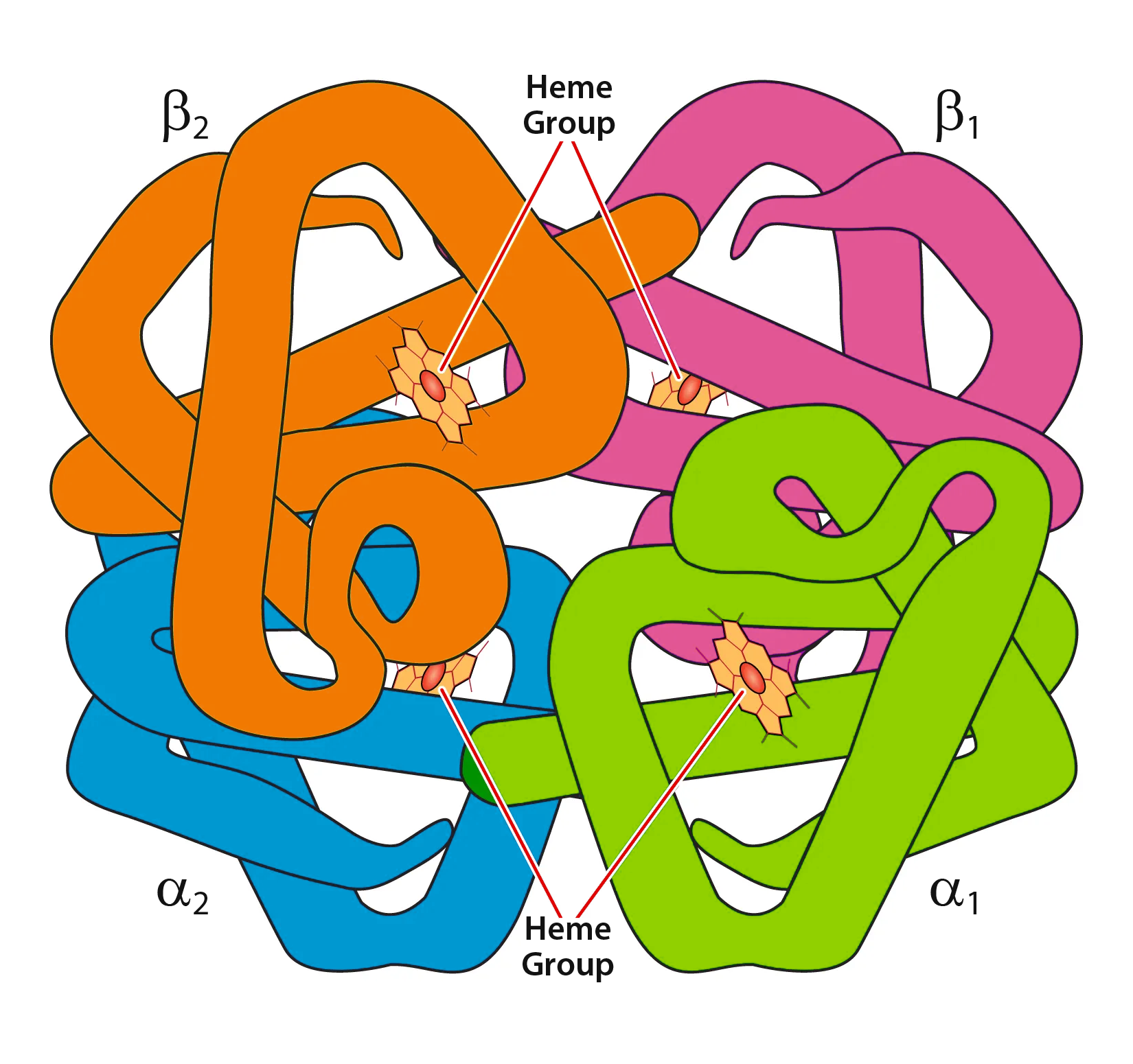
Imagine it as a tiny, four-door delivery truck inside each red blood cell.
Here’s how it works: When your red blood cell reaches your lungs, an oxygen molecule hops into one of the four “seats” and binds to the iron atom. The hemoglobin’s shape changes slightly, making it easier for the next three seats to pick up oxygen. It’s a perfect, efficient system. Then, the truck travels through your bloodstream to a muscle or organ that needs fuel. There, the conditions are different (slightly more acidic, warmer), which causes the hemoglobin to gently release its oxygen cargo right where it’s needed.
So, when we talk about eating iron-rich foods, we’re literally providing the raw material (iron) to build the essential part (heme) of this incredible, life-sustaining delivery system (hemoglobin).
Important Note : This information is for education and starting a conversation about your health. I am not a doctor. If you have symptoms of low hemoglobin, please see a healthcare professional. They can do a simple blood test to check your levels, find the exact cause, and create a personalized plan that’s right for you, which may include dietary changes or supplements. Taking charge of your health starts with knowledge and ends with smart action.
Q1.What is low hemoglobin in pregnancy?
Answer: Low hemoglobin in pregnancy, called gestational anemia, means your blood has less oxygen-carrying capacity. This is common due to increased blood volume but needs monitoring, as severe anemia can affect both mom and baby's health.
Q2.What is normal hemoglobin level during pregnancy?
Answer: A normal level is typically 11.0 g/dL or higher. Doctors check this during prenatal visits. Levels slightly below this are common, but your doctor will advise if action is needed.
Q3.How can I increase hemoglobin within 24hrs?
Answer: You cannot significantly raise hemoglobin in 24 hours, as your body needs days to produce new red blood cells. However, you can start immediately by eating an iron-rich meal with Vitamin C and drinking plenty of water.
Q4.What drink is good for low hemoglobin?
Answer: Drinks rich in Vitamin C help your body absorb iron. Try orange juice, lemon water, or a smoothie with spinach and berries. Avoid tea or coffee with meals, as they can block iron absorption.
Q5.Can dehydration cause low hemoglobin?
Answer: Dehydration doesn't cause low hemoglobin, but it can make your blood more concentrated, giving a falsely high reading on a test. It's important to be well-hydrated for an accurate result.
Q6.Do iron tablets increase hemoglobin?
Answer: Yes, iron supplements (tablets) are often prescribed to increase hemoglobin levels when a dietary deficiency is the cause. Always take them under a doctor's supervision, as incorrect dosage can cause side effects.
Q7.What should a pregnant woman eat for low hemoglobin?
Answer: Focus on iron-rich foods: lean red meat, cooked lentils, dark leafy greens, and fortified cereals. Always pair these with a Vitamin C source (like citrus fruit) to boost absorption and consult your doctor.
Q8.Can low hemoglobin cause muscle issues?
Answer: Yes. Muscles need oxygen to work and recover. Low hemoglobin can lead to weakness, cramping, and unusual tiredness during physical activity because your muscles are being starved of oxygen.
Q9.Can anemia cause nerve issues?
Answer: Severe or long-term anemia, particularly from Vitamin B12 deficiency, can cause nerve problems like numbness, tingling in hands/feet, and balance issues. This is because nerves are damaged by the lack of this vital nutrient.
Q10.Which device is best for hemoglobin check?
Answer: For a quick, non-invasive check, Ezecheck by EzeRx is a strong solution. It's approved by ICMR-RMRCBB and provides a digital reading without needles, making it a convenient option for home monitoring.
Q11.Any device available to check hemoglobin without taking any blood?
Answer: Yes. The Ezecheck device works by shining a specific light through your fingertip to measure hemoglobin levels painlessly and without a blood draw. It's a clinically approved, user-friendly tool for easy tracking.
Q12.Is 9.5 g/dL Hemoglobin Normal?
Answer: No, 9.5 g/dL is not normal. It is considered moderate anemia. At this level, you’ll likely feel very tired, weak, and short of breath because your body isn’t getting enough oxygen. This result means you should talk to a doctor soon to find out the cause often low iron and start the right treatment.
Q13.What Does a Hemoglobin of 7.0 g/dL Mean?
Answer: A hemoglobin level of 7.0 g/dL means severe anemia. This is serious and should not be ignored. Your heart has to work much harder, and your risk of complications rises. You need to see a doctor immediately to find the cause. Treatment may include iron infusions or other medical care to help you recover safely.
